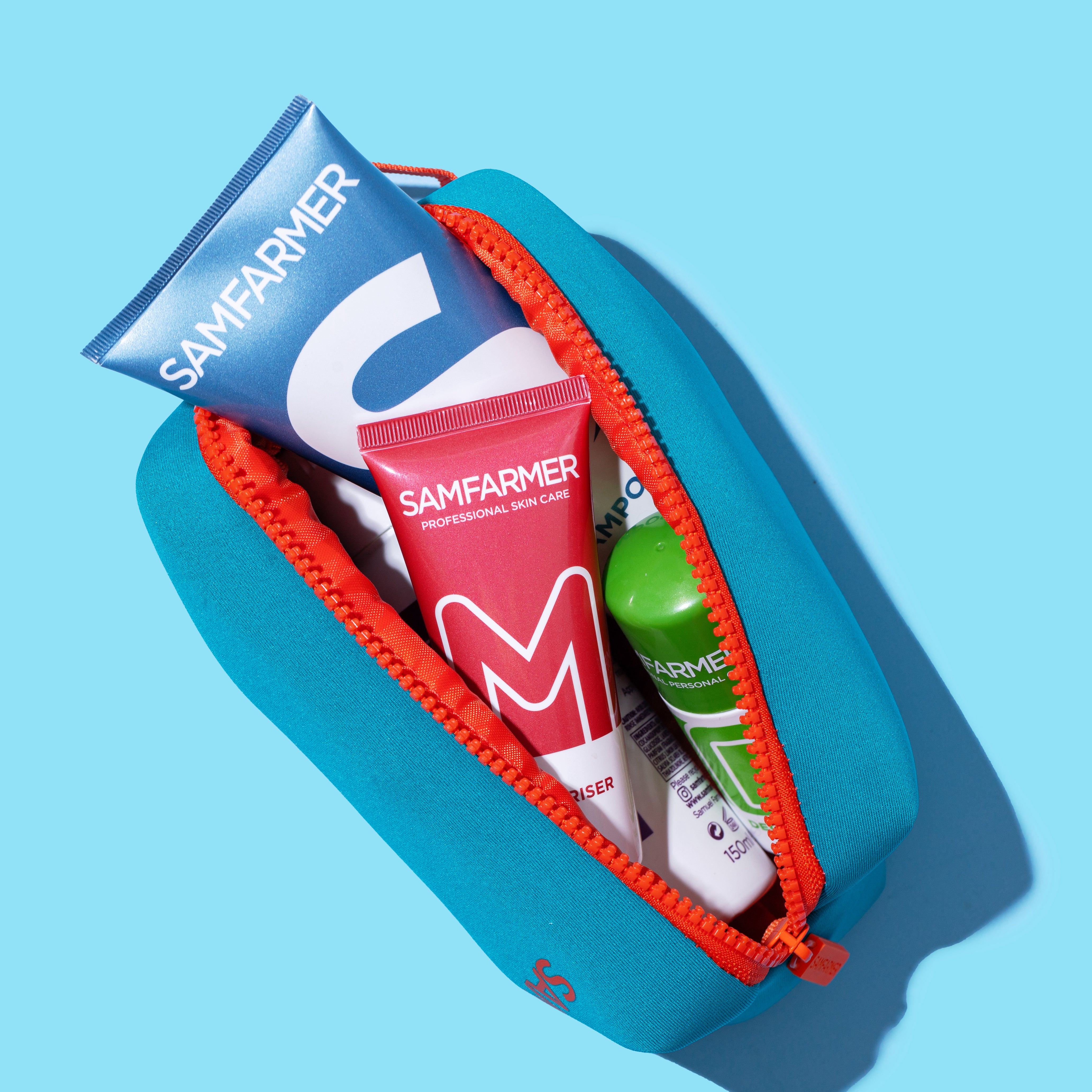


Exams and the stress they cause can also affect your skin. Just as the pressure builds, the breakouts arrive and spots appear. Your skin can also feel more sensitive than usual.
Stress and skin are linked and during the teenage years that link can be amplified.
Here's what's happening and what actually helps.
Stress
In short bursts, stress sharpens focus, increases alertness and helps us perform. That's useful in an exam situation.
The problem is the long, low-level stress that builds over weeks of revision. The body keeps releasing cortisol and adrenaline and when those chemicals stay elevated in the body, it can start to affect our energy levels, sleep patterns and skin condition.
Causes
A few things tend to drive exam stress in teenagers.
Results
Many teenagers believe the results will decide their entire future. When everything feels like it rests on one set of exams the pressure can be intense.
Becoming Overwhelmed
Revision on so many subjects can feel overwhelming. There's always another topic, another past paper and teenagers can feel permanently behind and stressed.
Comparison
Group chats and social media provide an area where young adults compare themselves to their peers. It's rarely accurate or helpful.
Sleep
Late-night cramming leads to poor sleep which in turn raises stress. It's a catch 22 situation.
Skin
When we're under sustained stress, the brain triggers the release of cortisol. Cortisol, alongside the androgens (already heightened in the teenage body) activates the sebaceous glands to produce more sebum. More oil means more chance of blocked pores and more blocked pores can lead to breakouts.
Stress affects skin in other ways too.
- It weakens the skin barrier so skin loses water more easily and becomes drier, tighter and more irritated.
- It increases inflammation, which can make existing spots redder and slower to clear and can flare conditions like eczema.
- It changes behaviour. Tired, stressed teenagers sleep less, eat differently, skip their routine and pick at their skin without realising — all of which make things worse.
Skin also repairs overnight. If you are not sleeping the skin misses out on this essential process.
Support
For the stress:
- Talk to someone. Naming the pressure to a parent, teacher or friend takes some of its weight away.
- Break revision into smaller, finishable chunks so there's a sense of progress.
- Prioritise sleep. It really is the best healer.
- Keep perspective. Results matter but they are not the end of the journey.
For the skin:
- Keep your routine simple and consistent. A gentle cleanser and moisturiser are enough.
- Don't over-wash. Scrubbing harder when skin feels oily strips the barrier and makes things worse, not better.
- Don't pick. It's tempting under stress, but it slows healing and can scar.
- Don't try a new product regime mid-exams. Stressed skin is reactive and now isn't the moment to test it.
Exams come and go. Skin recovers and understanding why it happens takes some of the worry out of it for everyone.
I have included some resources that you might find useful
Resources
YoungMinds – Coping with life: exam stress
Royal College of Psychiatrists – Coping with stress for young people